Author: Team Feralvoice

  • 5 Creative Ways to Use Hair Vitalizer Oil for Shine

    5 Creative Ways to Use Hair Vitalizer Oil for Shine

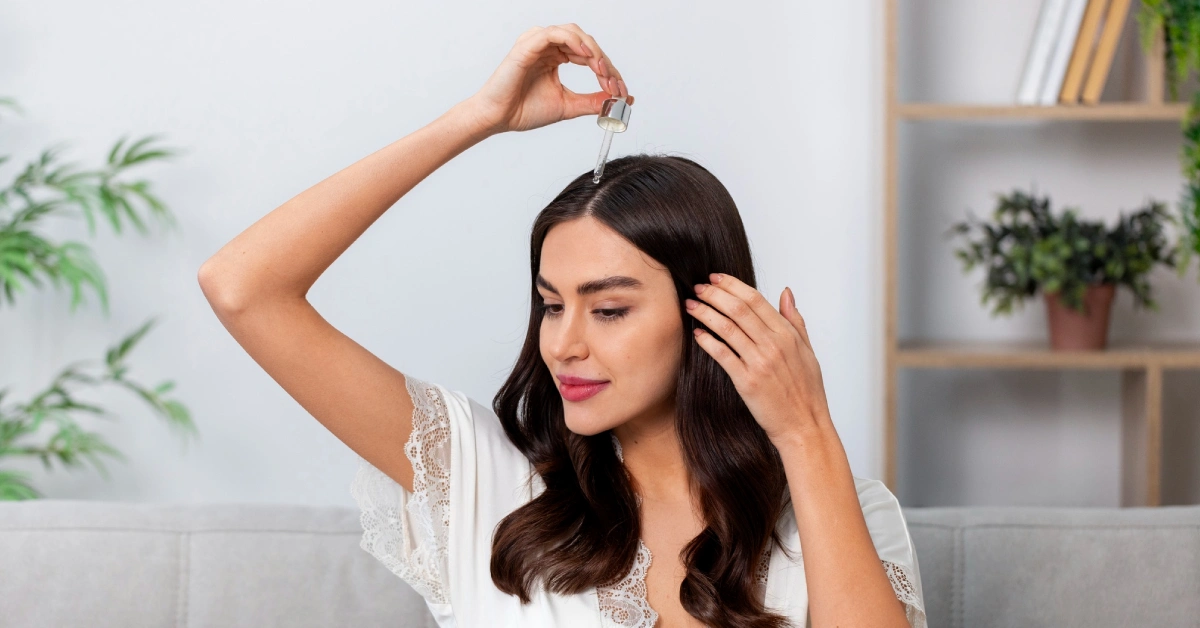
    Dull, lifeless hair can make even healthy strands look tired and unmanageable. That’s where a good hair vitalizer oil truly makes a difference. By deeply nourishing your scalp and hair, far beyond what shampoos or conditioners can achieve, vitalizer oils help restore moisture, smooth the hair cuticle, and bring back natural radiant shine. In this post, you’ll discover five creative and effective ways to use hair vitalizer oil that go beyond the usual hair care routine, helping your hair regain softness, shine, and long-term strength.


    Creative Method 1: Pre-Shampoo “Pre-Poo” Treatment for Extra Nourishment

    What to do:

    • On dry, unwashed hair, apply the vitalizer oil generously — especially focusing on mid-lengths and ends.
    • Gently massage your scalp and hair, then leave the oil on for 30–60 minutes.
    • After the waiting period, shampoo and condition as usual.

    Why it works:
    Pre-oiling creates a protective barrier around the hair shaft. This reduces the damage caused by shampooing — shampoos can strip away natural moisture and oils, causing dryness or breakage.
    By pre-treating with oil, you help seal in moisture, keep hair strands resilient, and improve shine once hair dries. *Healthline

    Who should try it:
    People with dry or damaged hair, frequent shampooers, or anyone noticing dullness or dryness after hair wash — pre-pooing with oil can add nourishment before shampoo washes away oils.


    Creative Method 2: Post-Wash Shine Enhancer (Finisher)

    What to do:

    • After shampooing and towel-drying hair (damp or slightly dry), take a small amount of hair vitalizer oil (warm it between your palms).
    • Apply mainly on mid-lengths and ends — avoid applying too much at the scalp if your hair tends to get oily.

    When your hair is damp, the cuticles are open and can absorb oil more easily. Applying a small amount of oil at this stage helps lock in moisture and makes the hair smoother and shinier. It also helps reduce frizz, dryness, and flyaways. This is especially useful if you live in a dry area or if your hair gets frizzy often.

    Who should try it:
    Anyone who styles their hair, wants a glossy finish, or struggles with frizz and dryness can benefit from this step. It is an easy finishing touch that you can use every day or whenever you want your hair to look smooth and shiny.


    Creative Method 3: Overnight Scalp & Hair Treatment

    What to do:

    • Before bed, warm a small amount of the hair vitalizer oil.
    • Gently massage into your scalp and through lengths — from roots to ends.
    • Wrap your hair in a towel or use a shower cap, then leave the oil overnight.
    • Wash and condition hair the next morning.

    Overnight oiling gives the oil enough time to soak deeply into the scalp and hair. This helps nourish the hair from inside, soften the strands, reduce dryness, and improve overall hair health. The extra moisture also helps repair damage, prevent breakage, and make the hair softer and easier to manage. Over time, your hair can look more shiny, smooth, and healthy.

    Precautions & Frequency:

    • For dry or damaged hair — 1–2 times a week may suffice.
    • If your scalp is oily or prone to buildup, maybe skip scalp oiling overnight — or limit to ends only.

    Creative Method 4: Scalp Massage Booster for Shine & Growth Support

    What to do:

    • Use a few drops of hair vitalizer oil on dry or slightly damp scalp.
    • Massage gently with fingertips in circular motions for 5–10 minutes.
    • Optionally, follow with light oil distribution on hair lengths or leave as scalp treatment.

    Moreover, applying oil and massaging the scalp helps keep it conditioned and reduces dryness or irritation. This creates a healthier environment for hair to grow. The oil also coats the hair strands, which reduces friction and helps prevent dryness when you style or wash your hair.

    Best for:
    People with a dry or itchy scalp, and for anyone who wants to support healthy hair growth while also improving shine and strength.


    Creative Method 5: Mix With Lightweight Leave-In or Serum for Daily Shine & Protection

    What to do:

    • Mix a few drops of hair vitalizer oil with a lightweight leave-in conditioner or serum — especially useful if your hair is dry, frizzy, or frequently styled.
    • Apply lightly on mid-lengths and ends; avoid heavy application at roots to prevent greasiness.

    Why it works:
    Many oils such as argan, almond, coconut, and jojoba help hydrate, smooth, and protect the hair. When you combine them with leave-in products, they add shine and softness and also protect the hair from environmental damage or heat styling.
    This method helps maintain shine, smoothness, and easy manageability throughout the day. It is especially useful for colored, styled, or heat-treated hair.

    Who should try:
    Anyone wanting daily shine, frizz control, or protection from styling damage, without heavy oiling or deep treatments.


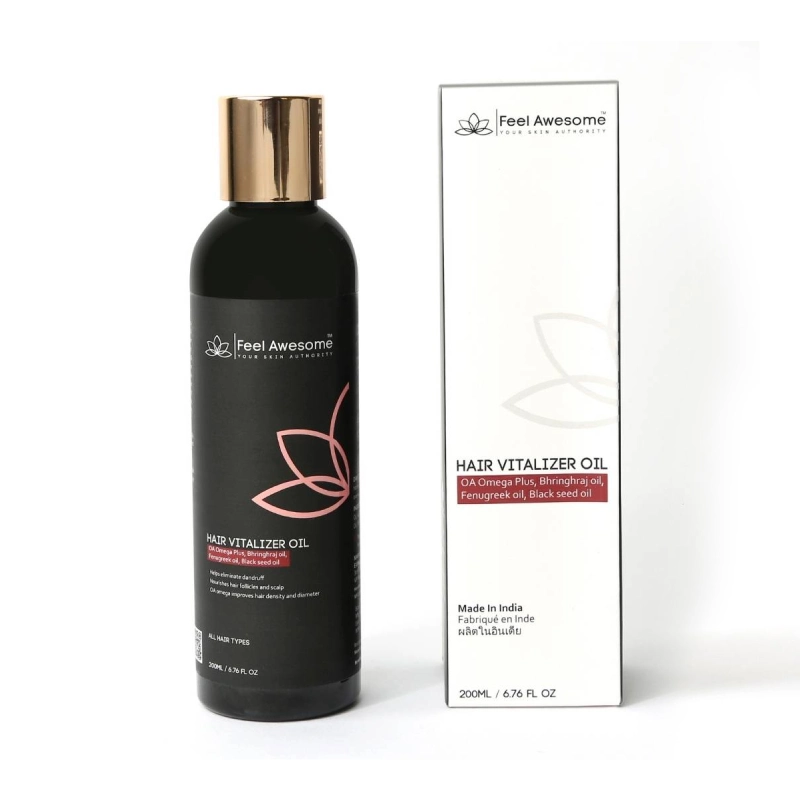
    Hair vitalizer oil

    Tips & Best Practices for Using Hair Vitalizer Oil for Shine

    • Choose the right oil blend for your hair type: Lighter oils (like argan, almond, grapeseed) suit fine or oily hair; richer oils (coconut, castor, olive) work better for dry/coarse hair.
    • Warm the oil slightly before applying — this helps with better absorption into scalp and hair shaft.
    • Don’t over-apply — especially near roots — too much oil can make hair greasy, weigh it down, or lead to buildup.
    • Use a mild shampoo when washing out oil, especially after deep treatments or overnight oiling — this helps avoid residue and keeps scalp healthy.
    • Be consistent — shine, softness and improved texture develop over time with regular care, not overnight miracles.
    • Listen to your hair — if your scalp is prone to oiliness or buildup, adapt frequency and oil amount accordingly.

    Conclusion

    Hair vitalizer oil is more than a pampering treat. When used regularly and with the right method, it can bring back shine, softness, and strength to your hair. You can use it as a pre-wash treatment, a post-wash finisher, an overnight mask, a scalp massage oil, or mix it with leave-in products. Each method offers different benefits depending on your hair type and what your hair needs.

    The key to radiant, healthy-looking hair isn’t frequency alone, its smart application, right oil choice, and consistent care. Try these creative methods, observe how your hair responds, and adapt the routine to your hair’s demands for the best shine and overall health.

  • DHT Blocker Serum 101: Insider Facts, Myths & What Science Says

    DHT Blocker Serum 101: Insider Facts, Myths & What Science Says

    Hair fall can be frustrating, especially when you don’t know what’s causing it. One of the most common reasons behind thinning hair is the hormone DHT, which can weaken hair follicles over time. This is where DHT blocker serums come in. They are designed to reduce the effects of DHT on the scalp, helping protect the follicles and support healthier hair growth.

    In this guide, you’ll learn what DHT really is, how DHT blocker serums work, the myths people often believe, and what science actually says about their results. By the end, you’ll know whether a DHT blocker serum is truly right for you.

    Why hair loss is a top concern for many people.

    Rise of hair serums claiming to block DHT, why they’re popular.

    • What readers will learn: how DHT Blocker Serum affects hair
    • what serums can realistically do
    • where science stands, and how to set expectations right.

    What Is DHT — And Why Does It Matter for Hair Loss?

    Dihydrotestosterone (DHT) is a powerful androgen hormone that comes from testosterone. It plays a normal role in the body, but it becomes a problem when it affects certain hair follicles on the scalp.

    How DHT affects hair follicles:
    DHT can attach to androgen receptors in the hair follicles. When this happens, the follicles begin to shrink, a process called miniaturization. Over time, this leads to thinner hair, shorter growth cycles, and eventually weaker or barely visible strands.

    Genetics and personal sensitivity:
    Not everyone is equally affected by DHT. Some people have follicles that are genetically more sensitive to it. This sensitivity increases the chances of pattern hair loss (androgenetic alopecia). In these individuals, even normal levels of DHT can trigger continuous thinning and recession.


    What Are “DHT Blocker” Products: Pills, Serums & Topicals

    DHT blockers usually refer to ingredients or medications that reduce the effects of DHT, a hormone linked to hair thinning. The most common medical DHT blockers are 5-alpha-reductase inhibitors like finasteride and dutasteride, which work by blocking the enzyme that converts testosterone into DHT.

    Oral vs. topical versions:

    • Oral DHT blockers affect the entire body and are clinically proven but may come with systemic side effects.
    • Topical DHT blockers or serums are designed to work only on the scalp, aiming to lower DHT levels locally while reducing the risk of full-body effects.

    Natural or cosmetic serums vs. medicated ones:

    Many over-the-counter serums claim to block DHT using herbs, plant extracts, or nutrients. These formulas are generally weaker and have less scientific proof compared to medically approved treatments.


    What Science Actually Says — Evidence for and Against DHT Blocker Serums

    What evidence supports DHT blocker/topical treatments

    • Studies with topical finasteride suggest it can improve hair density and reduce hair loss while having fewer systemic side-effects compared to oral finasteride.
    • In animal studies, blocking DHT or androgen-receptor activity slowed DHT-induced inhibition of hair regrowth — shows that androgen suppression can reverse some DHT effects.
    • A clinical study of a hair-growth lotion/serum (not necessarily a strong pharmaceutical DHT blocker) reported improved hair density, growth rate, and reduced hair thinning over 90 days of use.

    What evidence is weak or lacking

    • Many over-the-counter DHT-blocker serums, especially natural or herbal ones, do not have strong clinical studies to support their claims. Their effectiveness is often based on personal experiences or marketing rather than solid scientific evidence.
    • While topical DHT blockers do show promise, their long-term safety and proven results are still limited when compared to well-researched oral medications.
    • It’s also important to remember that hair loss is influenced by many factors including hormones, genetics, stress, nutrition, and overall health. Blocking DHT helps only when DHT is the main cause. In many cases, serums alone may not solve the entire problem and may need to be part of a broader treatment plan.

    Common Myths vs. Reality: What DHT Blocker Serums Can and Cannot Do

    Myth / ClaimWhat Science Says / Reality
    “Apply any DHT-blocker serum → hair regrowth for bald patches”Effective serums (with proven active agents) can help maintain existing hair or slow thinning, but regrowing long-lost follicles is unlikely.
    “Natural/herbal serums are just as good as medications”Herbal/natural products are generally weaker, poorly studied; scientific support is limited.
    “Once I start, I’ll never lose hair again”Benefits depend on continued use; stopping treatment often leads to resumed hair thinning.
    “Serums have zero side-effects because they are topical”Topical DHT-blockers likely have fewer systemic effects than oral pills, but data is limited and proper formulations/quality matter.

    Who Might Benefit from a DHT Blocker Serum?

    • People experiencing early-stage hair thinning or pattern hair loss, when follicles are still active.
    • Those who want to avoid the systemic side effects of oral DHT blockers but still prefer a topical option.
    • Individuals who have realistic expectations and understand that serums help manage hair loss, not guarantee full regrowth.
    • People looking for a gentler, supportive treatment to maintain scalp health and slow down further thinning.

    Who Should Be Cautious?

    • Anyone with underlying medical or hormonal issues causing hair loss.
    • People experiencing sudden, severe, or patchy hair loss, as this may signal a deeper health problem.
    • Individuals with scalp infections, irritation, or allergies to ingredients in DHT blocker serums.
    • Anyone unsure about their hair-loss cause should consult a dermatologist or trichologist before starting treatment.
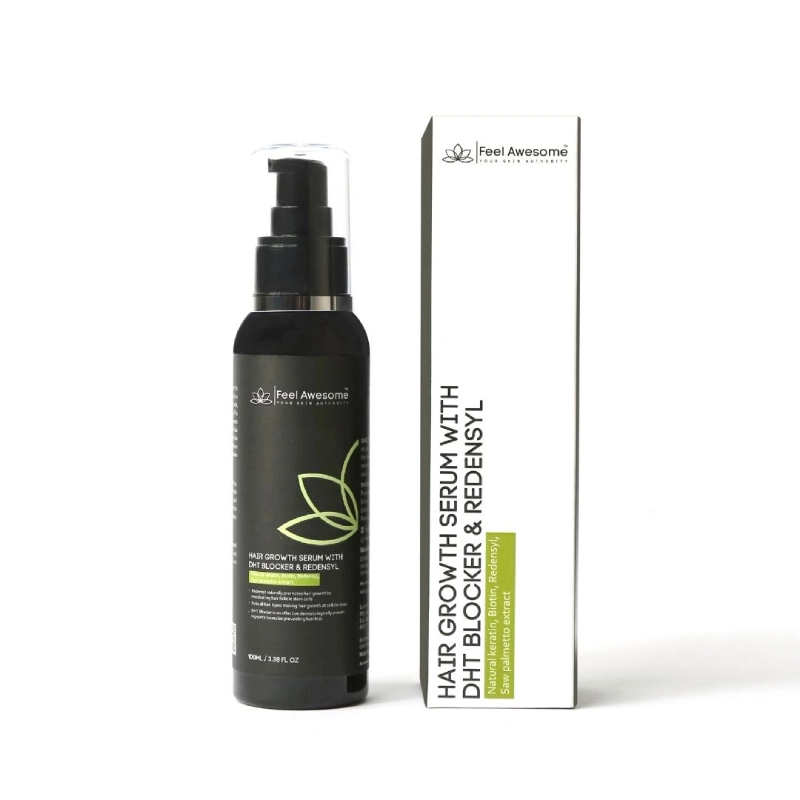
    DHT Blocker Serum

    Practical Tips: How to Use (or choose) a DHT Blocker Serum Wisely

    • Check if the product has a scientifically validated active ingredient, not just vague herbal claims. Click Here
    • Use consistently and over months — don’t expect overnight results.
    • Combine with healthy hair-care habits: balanced diet, scalp hygiene, reducing stress, avoiding damaging treatments.
    • Keep realistic expectations: quality thinned hair and slower hair loss is more realistic than full restoration.
    • Monitor results and consult a professional if needed.

    Conclusion

    DHT blocker serums, when made with well-researched and proven active ingredients, can be a helpful way to slow down hair thinning and support overall scalp health. They work by reducing the impact of DHT on the hair follicles, which may help preserve existing hair and improve thickness over time. However, these serums are not magic solutions. Science supports their role as part of a hair-loss management routine, not as guaranteed cures for baldness.

    Many natural or herbal DHT-blocker serums do not have enough clinical evidence behind them, so the results can be inconsistent. For people dealing with noticeable hair loss or pattern baldness, starting treatment early is important. Combining DHT blockers with clinically proven options and consulting a healthcare professional usually leads to the most realistic and effective results. This balanced approach helps set the right expectations and improves long-term hair health.

  • Redensyl Serum for Hair Growth & The Science Behind It.

    Redensyl Serum for Hair Growth & The Science Behind It.

    Hair fall, slow growth, and thinning scalp are increasingly common concerns across age and gender. With thousands searching daily for effective topical solutions, Redensyl serum for hair growth has quickly gained attention as a science-derived, non-invasive option that may stimulate natural hair regrowth.

    • But what exactly makes Redensyl unique?
    • Why do so many users claim visible regrowth?
    • And what does science actually say about its performance?

    This article breaks down the research, mechanism, benefits, limitations, and usage tips to help you decide whether Redensyl serum aligns with your hair-growth goals.

    What Is Redensyl? — Understanding the Ingredient

    Redensyl is a patented, plant-derived hair growth ingredient used widely in serums and leave-on treatments. It helps reduce hair thinning by reactivating dormant hair follicle stem cells, encouraging faster and healthier hair growth from the root. This gentle, science-backed formula is preferred by people looking for a non-irritating solution to early or moderate hair fall. Unlike harsh medical treatments, Redensyl supports the natural hair cycle, making it suitable for long-term use. With consistent application, it may improve hair density, strengthen weak strands, reduce shedding, and create a healthier scalp environment. This makes Redensyl a popular choice for anyone seeking an effective, easy-to-use hair growth solution.

    At its core, Redensyl contains two notable components:

    • DHQG (Dihydroquercetin-Glucoside): A potent antioxidant believed to encourage follicle stem-cell activation.
    • EGCG2: A green tea–derived molecule known for reducing scalp irritation and supporting a healthy growth environment.

    Unlike harsh medical treatments, Redensyl is commonly marketed as a gentler, yet scientifically backed, topical alternative for improving hair density and growth. Many users prefer it because it targets the hair follicles without causing irritation, making it suitable for long-term use. Its plant-derived formula also appeals to people looking for effective, non-invasive solutions to reduce thinning and support healthier hair over time.

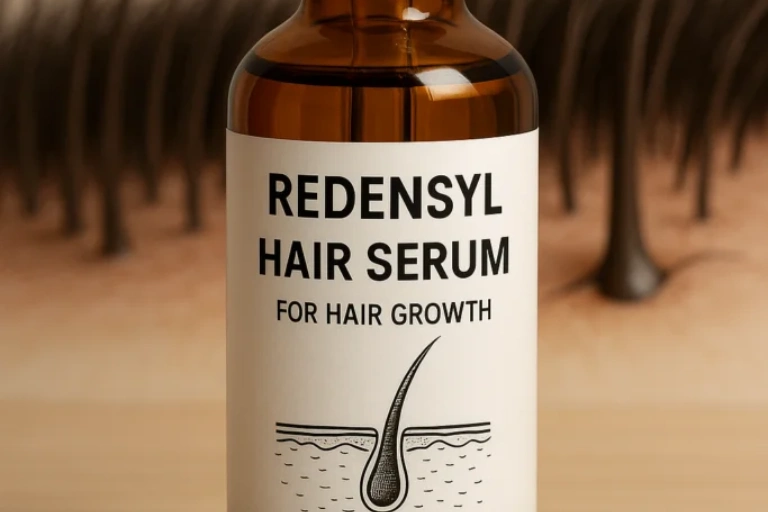
    Redensyl Serum

    How Redensyl Works — The Science Behind Hair Regrowth

    Targets Hair Follicle Stem Cells

    The anagen (growth) phase of hair relies on the activity of follicle stem cells. Redensyl is formulated to stimulate these cells, helping reactivate dormant hair follicles and support the development of new, stronger hair strands. By boosting stem-cell activity at the root, it may encourage healthier and more consistent hair growth over time.

    Extends the Hair Growth Cycle

    Hair grows in repeating cycles of growth, rest, and shedding. Redensyl may help extend the growth phase, allowing each hair strand to become longer, thicker, and stronger before it naturally sheds. By supporting a healthier growth cycle, it can gradually improve hair density and reduce the appearance of thinning over time.

    Supports Scalp Health

    Redensyl’s plant-derived molecules also offer antioxidant and soothing benefits, helping reduce inflammation — a common trigger behind chronic hair fall. By calming the scalp and improving its overall health, hair can anchor more securely and grow more efficiently over time. These supportive effects make Redensyl especially helpful for those dealing with long-term thinning.

    What Science Says — Evidence & Limitations

    Several small-scale clinical studies on Redensyl-containing formulas have shown promising outcomes:

    • Increased hair density and volume
    • Reduced shedding within weeks
    • Improved follicle activity
    • Noticeable growth within 60–90 days

    Some studies even report that consistent use of Redensyl serums may promote the appearance of thousands of new hairs over a few months.

    However:

    • Many trials are small or supported by manufacturers
    • Long-term independent studies remain limited
    • Results vary significantly among individuals

    While Redensyl demonstrates strong potential, it should be viewed as a supportive solution rather than a guaranteed cure for all types of hair loss.

    Benefits of Redensyl Serum for Hair Growth:

    Regular use of Redensyl serum may offer:

    • Reactivation of dormant hair follicles
    • Improved hair thickness and density
    • Reduction in hair fall
    • Fuller-looking hair over time
    • A gentle, non-irritating formula suitable for most scalp types

    Visible improvements typically appear after 8–12 weeks, with more significant results emerging over 3–6 months of consistent use.

    Limitations & Realistic Expectations

    Redensyl is not a miracle treatment.
    Its effectiveness relies on:

    • The underlying cause of hair loss
    • Consistent long-term use
    • Overall scalp health
    • Genetics
    • Lifestyle factors such as stress, diet, and sleep

    Redensyl tends to work best for individuals experiencing early to moderate hair thinning. Those with advanced baldness may not see dramatic regrowth, but they can still notice improvements in overall hair density, reduced shedding, and a healthier scalp environment. With consistent use, it may help slow further hair loss and enhance existing strands.

    How to Use Redensyl Serum for Best Results

    To maximize performance:

    • Apply directly to a clean, dry scalp (usually once daily unless instructed otherwise).
    • Use a leave-on serum for deeper absorption.
    • Do not rinse off for several hours.
    • Be consistent as hair growth is a slow biological process.
    • Pair the serum with scalp-friendly habits: low stress, gentle hair care, and a nutrient-rich diet.

    Patience is key because hair growth improvements build gradually over repeated cycles.

    Redensyl vs Minoxidil — How They Compare

    Minoxidil:

    • Medically approved
    • Increases blood flow to follicles
    • Known for strong, documented results

    Redensyl:

    • Plant-derived alternative
    • Targets stem cells instead of blood flow
    • Gentler on sensitive scalps
    • No “initial shedding” phase like Minoxidil

    Many users choose Redensyl when they want a non-medicated, low-irritation option or wish to supplement existing treatments.

    Who Should Consider Redensyl?

    Redensyl serum may be ideal:

    • If you are experiencing early-stage thinning
    • Prefer a natural, gentle solution
    • Want to reduce shedding and boost density
    • Have a sensitive scalp
    • Are seeking a non-invasive, topical option

    Those with severe or long-standing baldness may need additional or medical-grade treatments for stronger results.

    Conclusion

    Redensyl serum for hair growth offers a promising, science-inspired approach to improving hair density, stimulating dormant follicles, and reducing shedding — all without harsh side effects. Its gentle, plant-derived formula makes it suitable for regular use, and many users notice healthier, stronger, and fuller-looking hair with consistent application over time.

    While not a miracle cure, consistent use can support fuller, healthier-looking hair over several months. For anyone seeking a gentle yet scientifically backed topical solution, Redensyl stands out as a strong contender in modern hair-growth care.